



Alexander wang (1)

Amina muaddi (0)

BALENCIAGA (12)

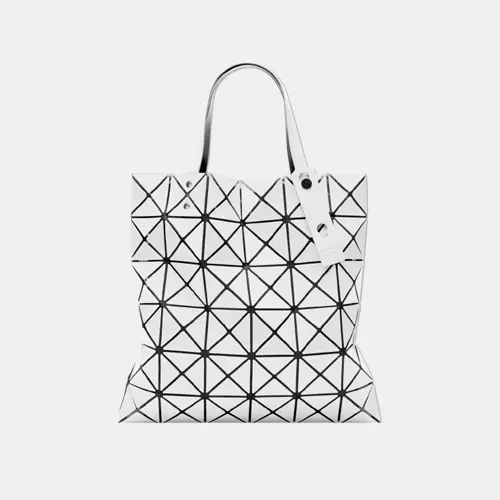
BAO BAO (0)
BOTTEGA VENETA (0)

BOYY (15)

BULGARI (0)

BURBERRY (3)

CARTIER (0)

CELINE (7)

Chanel (76)

At the heart of logic design is Boolean logic. The manual provides detailed reductions using Boolean theorems.
When utilizing academic solution frameworks or verified answer keys, adopting a passive consumption model hinders long-term retention. Engineering concepts are best retained through active troubleshooting and practical application. To maximize learning from complex design problems, consider the following study workflow:
Often, these solutions are shared on platforms like Chegg, Scribd, or Course Hero as part of student study guides.
The study of logic design is unique because it straddles the line between abstract mathematics and physical hardware implementation. Students must grasp Boolean algebra, Karnaugh maps, and state machine diagrams, while simultaneously understanding propagation delays and timing hazards.
To understand how the solution manual structures its answers, let us look at a typical workflow for an FSMD problem (frequently featured in Chapter 11 execution guides). The Problem Statement
“Who is this?”
Deep focus on FPGAs (Field Programmable Gate Arrays) and PALs.
If you can tell me (e.g., K-maps, FSM design, Verilog) you are finding the hardest, I can provide more specific examples or walkthroughs. Alternatively, I can help you locate specific, reputable academic platforms that offer guided solutions.
In the 2nd Edition, Chapter 11 often synthesizes the logic design principles learned in earlier chapters to build a functional system. Key topics often include: Processor Datapath:
The second edition of Contemporary Logic Design marked a significant shift in how digital design was taught. While the first edition focused heavily on schematic-based design, the second edition bridged the gap between classic gate-level logic and modern hardware description languages (HDLs) like Verilog and VHDL. Key advancements introduced in this edition include:
Integrating logic directly on the chip to generate test patterns and verify outputs without external equipment. 2. Asynchronous Sequential Circuits
“You copied the homework from somewhere,” she said quietly after class, sliding his test paper across the desk. His answers were perfect. His exam was a disaster.
Page after page of shady PDF links. But one result stood out: a student forum thread from 2011, titled “RIP Prof. Brandt’s solution manual.” The last post was from yesterday: “Still works. Logic never dies.”
Lorem ipsum dolor sit amet, consectetuer adipiscing elit, sed diam nonummy nibh euismod tincidunt ut laoreet dolore magna aliquam erat volutpat. Ut wisi enim ad minim veniam, quis nostrud exerci tation ullamcorper suscipit lobortis nisl ut aliquip ex ea commodo consequat.
MOREAt the heart of logic design is Boolean logic. The manual provides detailed reductions using Boolean theorems.
When utilizing academic solution frameworks or verified answer keys, adopting a passive consumption model hinders long-term retention. Engineering concepts are best retained through active troubleshooting and practical application. To maximize learning from complex design problems, consider the following study workflow:
Often, these solutions are shared on platforms like Chegg, Scribd, or Course Hero as part of student study guides. contemporary logic design 2nd edition solution manual.11
The study of logic design is unique because it straddles the line between abstract mathematics and physical hardware implementation. Students must grasp Boolean algebra, Karnaugh maps, and state machine diagrams, while simultaneously understanding propagation delays and timing hazards.
To understand how the solution manual structures its answers, let us look at a typical workflow for an FSMD problem (frequently featured in Chapter 11 execution guides). The Problem Statement
“Who is this?”
Deep focus on FPGAs (Field Programmable Gate Arrays) and PALs.
If you can tell me (e.g., K-maps, FSM design, Verilog) you are finding the hardest, I can provide more specific examples or walkthroughs. Alternatively, I can help you locate specific, reputable academic platforms that offer guided solutions.
In the 2nd Edition, Chapter 11 often synthesizes the logic design principles learned in earlier chapters to build a functional system. Key topics often include: Processor Datapath: At the heart of logic design is Boolean logic
The second edition of Contemporary Logic Design marked a significant shift in how digital design was taught. While the first edition focused heavily on schematic-based design, the second edition bridged the gap between classic gate-level logic and modern hardware description languages (HDLs) like Verilog and VHDL. Key advancements introduced in this edition include:
Integrating logic directly on the chip to generate test patterns and verify outputs without external equipment. 2. Asynchronous Sequential Circuits
“You copied the homework from somewhere,” she said quietly after class, sliding his test paper across the desk. His answers were perfect. His exam was a disaster. Students must grasp Boolean algebra, Karnaugh maps, and
Page after page of shady PDF links. But one result stood out: a student forum thread from 2011, titled “RIP Prof. Brandt’s solution manual.” The last post was from yesterday: “Still works. Logic never dies.”