By Gergely Orosz, the author of The Pragmatic Engineer Newsletter and Building Mobile Apps at Scale
Navigating senior, tech lead, staff and principal positions at tech companies and startups. An Amazon #1 Best Seller. New: the hardcover is out! As is the audibook. Now available in 6 languages.
: Some versions of the folder operated on a "contribution" basis, where individuals could only gain access by uploading new, original images of girls they knew personally. Community Impact and Reddit Context
. Reports indicate that users have used Reddit threads to trade, sell, or request access to the folder, alongside other infamous cases like the "Umbrella" file. Discussion on 4chan’s /b/ board
I had found the name—Viborg Mappen—months earlier on a sleepy Reddit thread about forgotten archives. Someone there had dropped a fragment: “If you ever see Viborg Mappen, don’t open it alone.” The post had earned a string of jokey comments and vanished into the feed, the way small mysteries did online. I thought nothing of it until the package arrived.
For many younger users, the folder has become an "internet ghost story"—something they’ve heard of but never seen, symbolizing the dangers of the early, unmoderated web. If you're looking for more details, I can look into: The legal changes in Denmark that followed such leaks.
On r/Denmark, users frequently ask if the folder was simply an urban legend used by parents and teachers to scare teenagers. Long-time residents and internet researchers often reply with direct facts. They confirm that it was entirely real and fundamentally altered the social fabric of local high schools. 2. Personal Testimonies
Over time, the term "Viborg-mappen" evolved from a specific set of photos into a broader, more sinister phenomenon:
The platform's anonymous nature and the structure of its subreddits—user-created forums dedicated to specific topics—made it an ideal environment for such a black market to grow, often staying hidden from the broader public or from Reddit's administrative oversight.
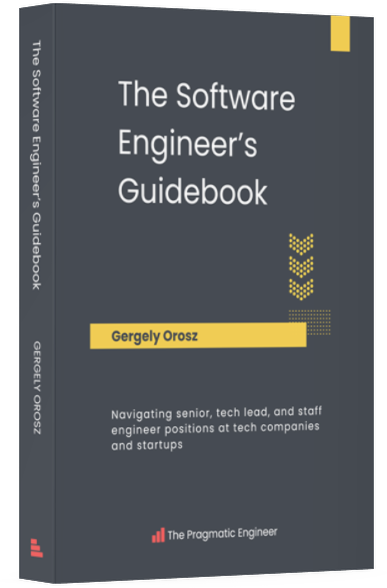
The book is separated into six standalone parts, each part covering several chapters:
Parts 1 and 6 apply to all engineering levels: from entry-level software developers to principal or above engineers. Parts 2, 3, 4 and 5 cover increasingly senior engineering levels. These four parts group topics in chapters – such as ones on software engineering, collaboration, getting things done, and so on.
This book is more of a reference book that you can refer back to, as you grow in your career. I suggest skimming over the career levels and chapters that you are familiar with, and focus reading on topics you struggle with, or career levels where you are aiming to get to. Keep in mind that expectations can vary greatly between companies.
In this book, I’ve aimed to align the topics and leveling definitions closer to what is typical at Big Tech and scaleups: but you might find some of the topics relevant for lower career levels in later chapters. For example, we cover logging, montiroing and oncall in Part 5: “Reliable software systems” in-depth: but it’s useful – and oftentimes necessary! – to know about these practices below the staff engineer levels.
The Software Engineer's Guidebook is available in multiple languages:
You should now be able to ask your local book shops to order the book for you via Ingram Spark Print-on-demand - using the ISBN code 9789083381824. I'm also working on making the paperback more accessible in additional regions, including translated versions. Please share details here if you're unable to get the book in your country and I'll aim to remedy the situation.
I'd like to think so! The book can help you get ideas on how to help software engineers on your team grow. And if you are a hands-on engineering manager (which I hope you might be!) then you can apply the topics yourself! I wrote more about staying hands-on as an engineering manager or lead in The Pragmatic Engineer Newsletter.
I've gotten this variation of a question from Data Engineers, ML Engineers, designers and SREs. See the more detailed table of contents and the "Look inside" sample to get a better idea of the contents of the book. I have written this book with software engineers as the target group, and the bulk of the book applies for them. Part 1 is more generally applicable career advice: but that's still smaller subset of the book.