Space Damsels ((free)) Jun 2026
I can:
Suddenly, the "Space Damsel" had to evolve to survive. Science fiction realized that placing a woman in a shiny jumpsuit didn't make her an explorer; giving her agency did.
In contemporary science fiction, the term "space damsel" is largely invoked as an ironic homage or a relic of the past. Modern storytelling treats female characters in space not as archetypes, but as complex, flawed, and deeply human individuals. The Realism of The Expanse
Are you tired of passive damsels or do you prefer the modern, empowered archetype? Share your favorite "space damsel" moment in the comments below. space damsels
In recent years, there has been a noticeable shift towards more diverse and complex portrayals of women in science fiction. Characters that defy the traditional space damsel trope are becoming more common, with women taking on roles as protagonists, scientists, engineers, and leaders. These characters are found in various media, from television series like "Star Trek: Discovery" and "Killjoys" to films like "Mad Max: Fury Road" and "The Hunger Games" series.
In contemporary science fiction, the space damsel archetype has been entirely reclaimed. Modern writers and creators use the historical tropes of the genre to highlight independence, agency, and subversion. The Action Heroine
: The threat to a human woman often served to establish the "evil" or "otherness" of alien species. I can: Suddenly, the "Space Damsel" had to
When we gaze up at the night sky, we often think of vastness, solitude, and adventure. But in the realm of science fiction, the cosmos has always been a stage for very human dramas. Among the most enduring, controversial, and evolving archetypes in this galactic theater is the .
to see how they handle female archetypes. Share public link
Similarly, in the 1960s sci-fi classic Lost in Space , Judy and Penny Robinson were brilliant and capable, yet they frequently required rescue from the environmental hazards of uncharted planets or the blundering betrayals of Dr. Smith. The Paradigm Shift of 1977 Modern storytelling treats female characters in space not
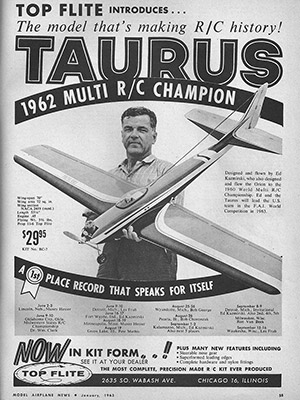
The archetype was forged in the 1920s and 1930s during the golden age of pulp science fiction magazines like Astounding Stories , Wonder Stories , and Amazing Stories . The cover art of these magazines followed a rigid, highly lucrative formula: a grotesque alien monster, a dashing male astronaut with a ray gun, and a scantily clad woman in distress.
, transforming from a potential victim into a gritty, resourceful engineer of her own salvation. The "damsel" is no longer waiting for a knight; she is the one fixing the airlock and outsmarting the monster. Conclusion
In these universes, if a woman looks like a damsel in distress, it is usually a trap for an unsuspecting antagonist.
: Traditional depictions included pale-skinned women in torn or impractical futuristic clothing, often bound or menaced by "bug-eyed monsters" (BEMs). 2. Historical Narrative Functions
The lead Krull-Thrax gurgled a metallic threat, but Sterling was faster. A single bolt of ionized neon shattered the creature’s containment suit. As the bubble flickered and popped, Elara didn't just fall—she landed in a practiced, athletic crouch.