
 Italiano
 Français
 Deutsch
 Español
 Nederlands
 Svenska
 Polski
 sparkling water
 Water in Glass
 Still water
 Canned Water
 Broth
Broth Milk
Milk Coffee
 Sugar and Sweeteners
 Seasonings
 Crackers and Slices
 Honey
Honey Bread and Breading
 Butter
 Digestives
 Tomato and Sauces
 Fruits and vegetables
 Meat and fish
 Sauces
 Infusions
 Cream
Cream Yeasts and Powders
 Barley and Ginseng
 Carbonated drinks
 Juices
 You
You Coca Cola
 Energy Drink
 Non-alcoholic aperitifs
 Schweppes
 drinks Supplements
 Other Drinks
 Other Drinks
 Blonde beer
 Red beer
 Double malt beer
 Weiss beer
 Beer kegs
 Raw Beer
 Gluten Free Beer
 Non alcoholic beer
 Craft beer
 Unfiltered Beer
 Cereal bars
 Cereals and Flakes
 Panettoni and Pandori
 Torroni e Dolci Natalizi
 Christmas baskets
 Savoury snacks
 Kinder Ferrero
 Jordan Almonds
 Sweets and Chocolates
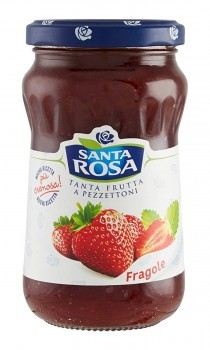 Jams
Jams Spreadable Creams
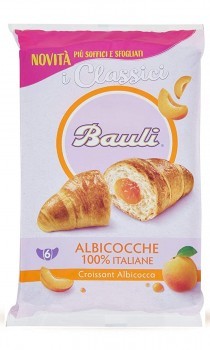 Brioches
 Prepared For Dessert
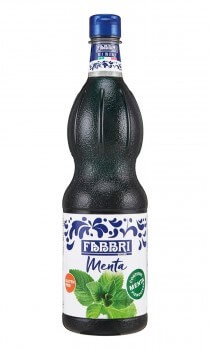 Topping and Syrups
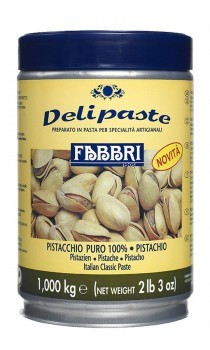 Preparation Ice Cream
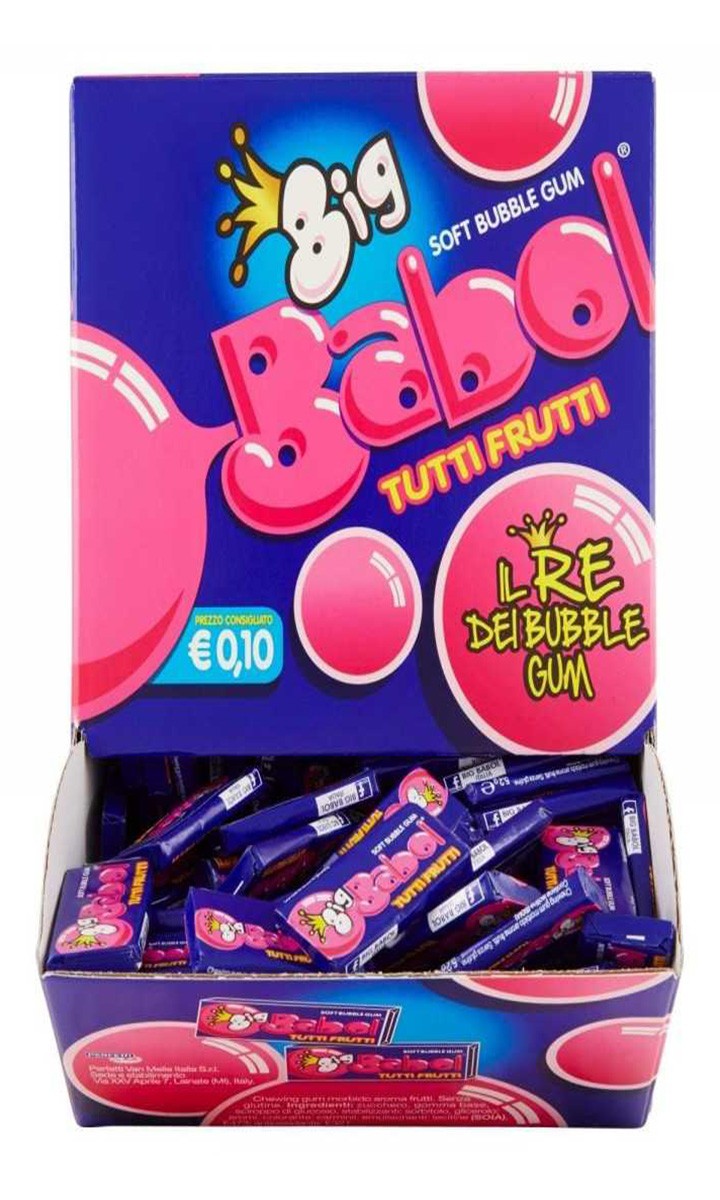 candy chewing gum
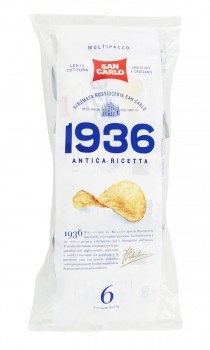 Chips
Chips Cookies
 Liqueurs
 Liqueurs for Cocktails
 Special Liqueurs
 Aperitif Liqueurs
 Cognac
 Sambuca
 Tequila
 Gin
Gin Rum
Rum Brandy
 Vodka
Vodka Other Liqueurs
 Grappa
 limoncello
 Whiskey
 Magnum Bottles
 Gift Box
 Pasta
Pasta Flour
Flour Rice
Rice Cous cous
 Gluten Free Pasta
 Pasta of Gragnano
 Tortellini and Ravioli
 Wholemeal Pasta
 Fresh pasta
 Plastic
 Tools
Tools Spray
Spray Paper
Paper Glass
Glass Aluminium
 Products for Animals
 Nitrile Gloves
 Cooking utensils
 Detergents
 Crockery
 Personal hygiene
 Air Freshener
 Disinfectants
 Cheeses
 Cured meat
 Red wines
 White wines
 Organic wines
 Fortified wines
 Champagne
 Sparkling wines
 Prosecco
 Rosé wines
 Franciacorta
There are no more items in your cart
Cx31993 Datasheet Fix Hot |verified| Access
Instead of modifying the dongle (which is impractical), . The goal is to reintroduce a gentle low-pass filter and impedance matching. Apply one of these two verified solutions:
Do this if the chip runs hot even with fixes A & B applied.
The measured thermal resistance ($R_\theta JA$) was found to be , nearly three times the value stated in the datasheet. The datasheet value was likely derived using a high-conductivity JEDEC test board with generous copper spreading, which is physically impossible in the compact form factors where the CX31993 is typically deployed.
The Conexant CX31993 is a marvel of budget audio engineering. The datasheet is technically correct that the chip is "low power"—from a silicon perspective. But the physical packaging, cheap LDOs, and lack of thermal management in $5 dongles make the user experience "hot." cx31993 datasheet fix hot
Ensure the dongle is not trapped under a phone case or in a tight pocket while in use. Allowing airflow around the metal chassis can significantly reduce surface temperature. Conclusion: Is the Heat a Problem?
The device was powered on and subjected to a sustained computational load representing 80% maximum throughput. Ambient temperature was maintained at 25°C. Temperature was monitored until thermal equilibrium was achieved.
If your chip is hot despite doing everything right electrically, you need to implement a . This is where the "modding" community shines. Instead of modifying the dongle (which is impractical),
The CX31993 has internal registers that control bias currents. By default, some implementations run the headphone amp in "high performance" mode (8mA bias) instead of "low power" (2mA bias). This is adjustable via I²C (pins 14=SDA, 15=SCL).
But when you plug in headphones (32 Ohm or lower), or use a passive analog volume control (like a USB knob), the amplifier enters a Class A/B bias region where efficiency plummets.
This public link is valid for 7 days and shares a thread, including any personal information you added. This link or copies made by others cannot be deleted. If you share with third parties, their policies apply. Can’t copy the link right now. Try again later. The measured thermal resistance ($R_\theta JA$) was found
The QFN-20 package has an exposed thermal pad (pin 21, center). The datasheet mandates: "The thermal pad must be soldered to a ground plane with at least 6 vias to the opposite layer." Most low-cost PCBs have no vias, only a small pad. Heat gets trapped inside the chip.
The official Conexant (now Synaptics) CX31993 datasheet lists the chip as a "high-performance, low-power audio codec." The keyword is low power . The sheet claims a typical current consumption of for the digital-to-analog conversion.
Despite this, the CX31993 remains one of the best budget audio solutions on the market for its superior audio performance, making the slight thermal management worth the effort.
: If the dongle becomes "burning hot" almost instantly, it likely has a manufacturing defect or internal short. In these cases, it is safer to return the unit for a replacement. Common Specs & Performance Specification Sampling Rate 32-bit / 384kHz Power Output My solution to overheating DAC dongles - HifiGuides Forums