Desktop and Mobile
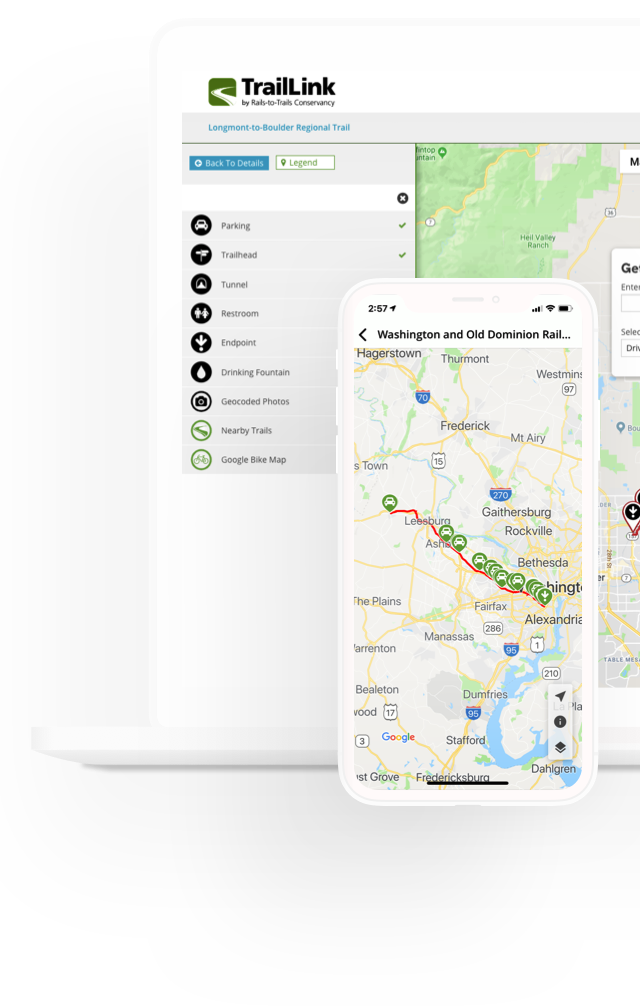
Search, explore, and plan on both desktop and mobile and take our mobile apps on the trail with you. With a FREE or Unlimited account you can sync your activities at home and on the trail.
Register for FREE
Veterinary science must therefore hold a dual vigilance: treat the behavior, but never stop interrogating the body.
Cats are notorious for masking sickness. When a cat begins hiding in dark closets, stops grooming, or ceases jumping onto elevated surfaces, it rarely indicates a sudden personality shift. More often, it points to metabolic illnesses like chronic kidney disease, diabetes, or severe joint pain. Stereotypic and Compulsive Behaviors
Modern zoos use positive reinforcement training (operant conditioning) to facilitate voluntary veterinary care. Rather than darting or anesthetizing a 5,000-pound elephant or a silverback gorilla for a routine check-up, keepers and veterinarians train the animals to cooperate.
Perhaps the most visible impact of behavioral science on veterinary practice is the widespread adoption of techniques. For generations, the default method for managing a scared dog or aggressive cat was physical force: heavy gloves, cat bags, muzzles, and "scruffing" (grabbing the loose skin on a cat’s neck).
: Smart collars and health trackers now provide real-time data on activity levels and behavioral shifts, allowing for early detection of illness.
When environmental modification and training are insufficient, veterinary science steps in with psychotropic medications. SSRIs (Selective Serotonin Reuptake Inhibitors) are actively used to treat generalized anxiety, separation anxiety, and compulsive disorders in pets.
Key areas of behavior studied in veterinary science include:
Search, explore, and plan on both desktop and mobile and take our mobile apps on the trail with you. With a FREE or Unlimited account you can sync your activities at home and on the trail.
Register for FREE
Our freshly redesigned mobile apps put the power of TrailLink in your hand. With waypoints along the trail, photos and reviews you have everything you need for your next adventure.


Veterinary science must therefore hold a dual vigilance: treat the behavior, but never stop interrogating the body.
Cats are notorious for masking sickness. When a cat begins hiding in dark closets, stops grooming, or ceases jumping onto elevated surfaces, it rarely indicates a sudden personality shift. More often, it points to metabolic illnesses like chronic kidney disease, diabetes, or severe joint pain. Stereotypic and Compulsive Behaviors zooskool stray x the record part 960l
Modern zoos use positive reinforcement training (operant conditioning) to facilitate voluntary veterinary care. Rather than darting or anesthetizing a 5,000-pound elephant or a silverback gorilla for a routine check-up, keepers and veterinarians train the animals to cooperate. Veterinary science must therefore hold a dual vigilance:
Perhaps the most visible impact of behavioral science on veterinary practice is the widespread adoption of techniques. For generations, the default method for managing a scared dog or aggressive cat was physical force: heavy gloves, cat bags, muzzles, and "scruffing" (grabbing the loose skin on a cat’s neck). More often, it points to metabolic illnesses like
: Smart collars and health trackers now provide real-time data on activity levels and behavioral shifts, allowing for early detection of illness.
When environmental modification and training are insufficient, veterinary science steps in with psychotropic medications. SSRIs (Selective Serotonin Reuptake Inhibitors) are actively used to treat generalized anxiety, separation anxiety, and compulsive disorders in pets.
Key areas of behavior studied in veterinary science include:


TrailLink is a free service provided by Rails-to-Trails conservancy
(a non-profit) and we need your support!