
...
...

Leave your contact details and our
consultant will contact you
new version - DrufelCNC 1.20


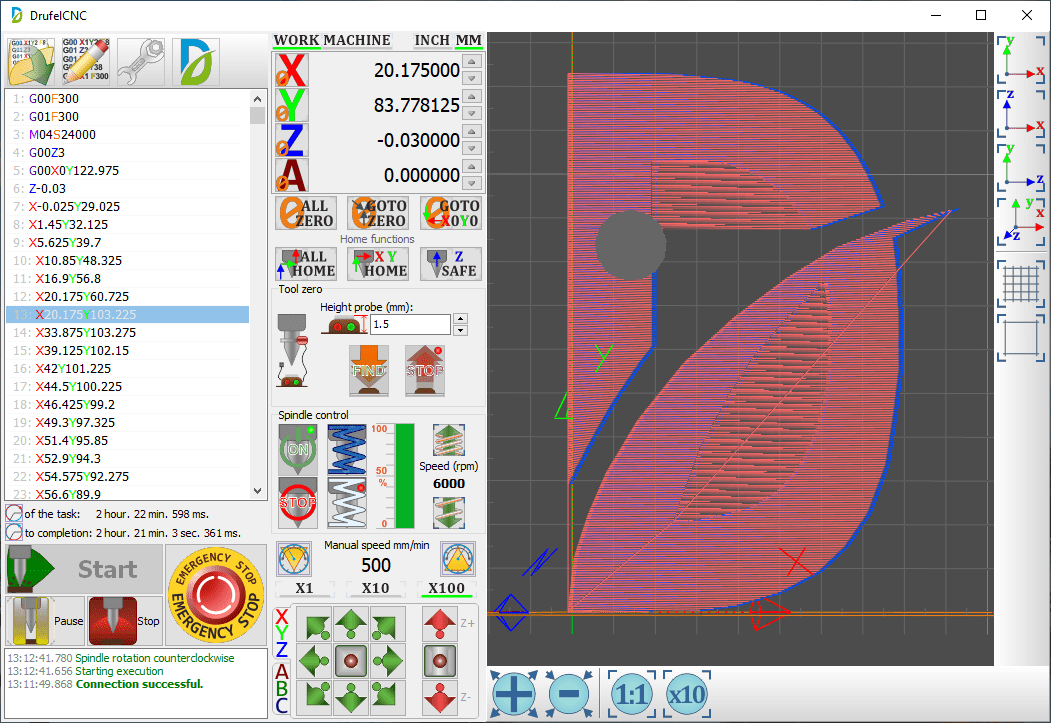
Main window
Main window 3D model
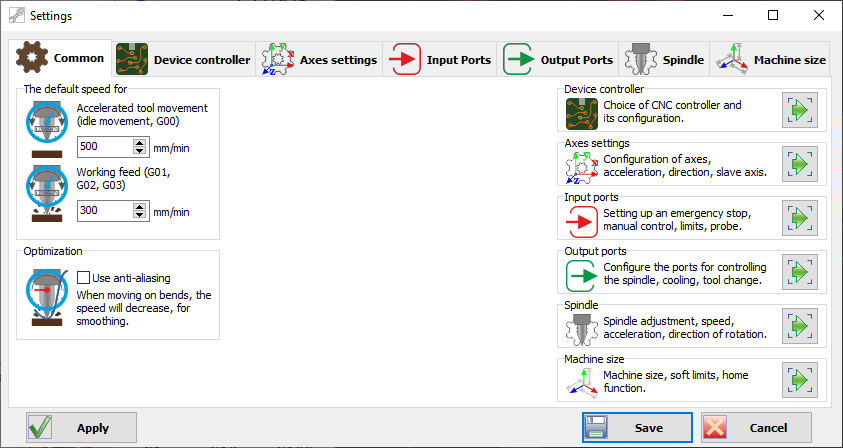
Common settings
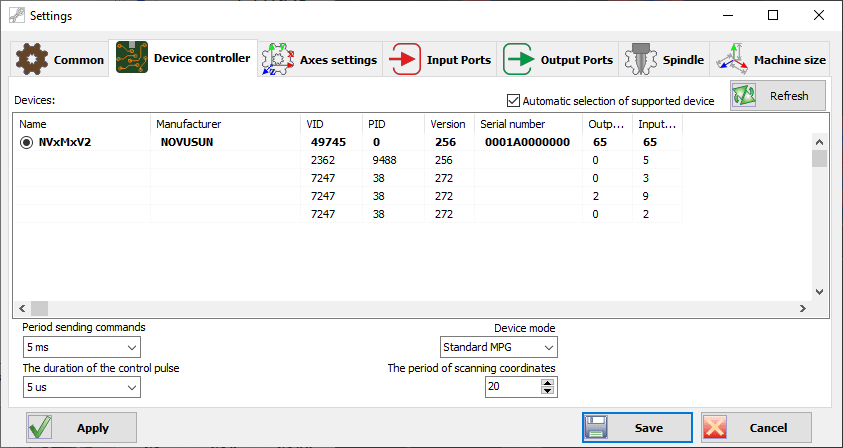
Controllers settings
Axes settings
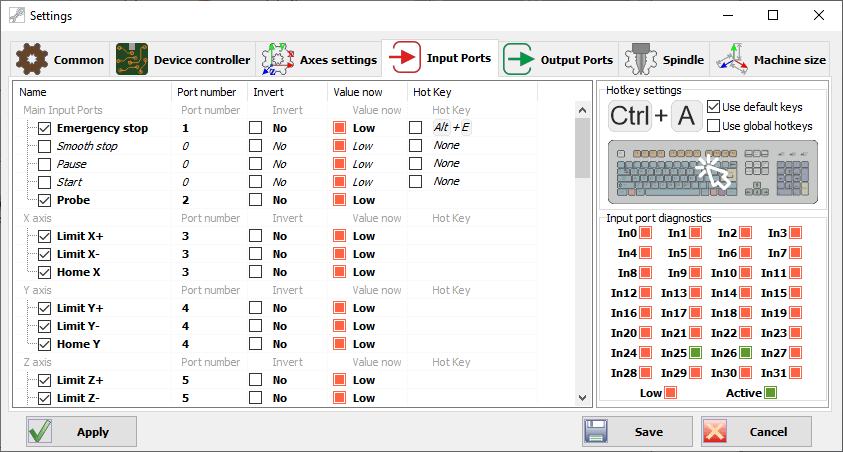
Input ports
Output ports
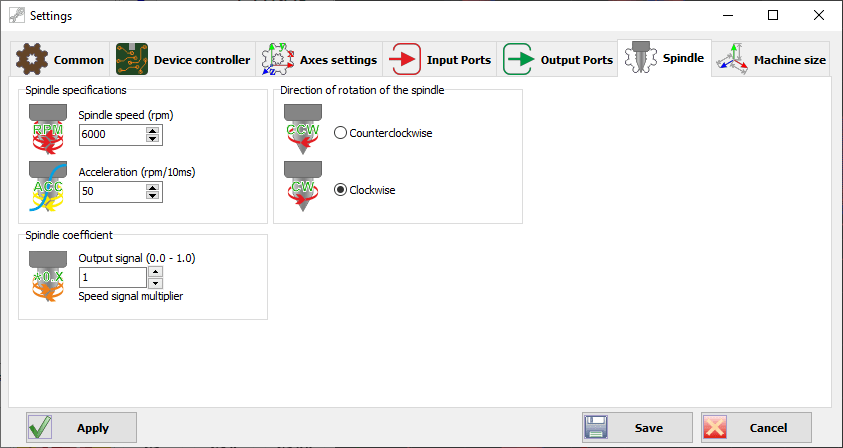
Spindle
Machine size
Manual control ABC
Tool zero
View the XY plane in 3D
View the XZ plane in 3D
View the ZY plane in 3D
View in 3D
May 3, 2026 Category: Industrial Cybersecurity & Patch Management Reading Time: 8 minutes
Your software (e.g. FileZilla, WinSCP, or a web browser).
The patch fixes the logic error in the initial connection phase, ensuring that no data is exchanged until a 200-series "OK" response is legitimately triggered by valid credentials.
Regularly check for and apply patches to your FTP server software. This includes not just the FTP server itself but also the operating system and any other software running on the server.
Because the server is highly popular across the BDIX network, peak traffic frequently caused packet bottlenecks on the private gateway. The infrastructure patch fine-tuned the underlying File Transfer Protocol daemon to efficiently cycle open ports, dropping dead connections faster to free up slots for active users. 🛑 Diagnostics: Why Can't You Connect?
As noted by industry experts on tech forums like Quora , the address 10.16.100.244 cannot be reached from an external network. If you use a third-party mobile data provider or standard global routing, the connection will time out.
Are there any in the paper regarding what the patch fixes (e.g., vulnerability, connection issue)?
If you are currently experiencing a specific error code while trying to connect to this IP, let me know and the exact error message you see. I can provide the precise connection parameters to fix it. AI responses may include mistakes. Learn more Share public link
Disclaimer: This article is for informational purposes, based on commonly known information regarding ICC Communication's internal FTP IP structure (10.16.100.244) and general cybersecurity best practices for FTP servers.
Always access the server through approved methods. Do not attempt to use default login credentials.
Following the network update, users and administrators will notice several core adjustments designed to keep the ICC FTP Server running securely: Metric / Feature Pre-Patch Status Post-Patch Status Open / Static Credentials Dynamic / Bound to ISP User ID Data Encryption Plaintext Cleartext Traffic Enforced TLS/SSL Session Negotiation Network Accessibility Fragmented BDIX Access Routing Hardened Boundary Checks via ICC Routing Active Connections Susceptible to Denial of Service (DoS) Rate Limiting per Concurrent Internal IP Troubleshooting Connectivity Post-Patch
Please report any transfer errors or connection issues by replying to this email or via ticket #10161oo244.
This entry is a microcosm of enterprise IT. It shows that:
The patching of the 10.16.100.244 server reflects a wider industry pivot. Simple, unprotected local FTP links are rapidly disappearing. In their place, modern providers are deploying secure, web-based HTTPS streaming portals or managed peer-to-peer cache networks. These alternatives provide the same high-speed downloads while keeping user data safe and systems secure.
The patching of an ICC FTP server, while seemingly a routine maintenance task, can have broader implications for the entities that rely on it. For instance:
: During the patching process, the server might have experienced downtime, potentially affecting services or operations dependent on it.
May 3, 2026 Category: Industrial Cybersecurity & Patch Management Reading Time: 8 minutes
Your software (e.g. FileZilla, WinSCP, or a web browser).
The patch fixes the logic error in the initial connection phase, ensuring that no data is exchanged until a 200-series "OK" response is legitimately triggered by valid credentials.
Regularly check for and apply patches to your FTP server software. This includes not just the FTP server itself but also the operating system and any other software running on the server.
Because the server is highly popular across the BDIX network, peak traffic frequently caused packet bottlenecks on the private gateway. The infrastructure patch fine-tuned the underlying File Transfer Protocol daemon to efficiently cycle open ports, dropping dead connections faster to free up slots for active users. 🛑 Diagnostics: Why Can't You Connect?
As noted by industry experts on tech forums like Quora , the address 10.16.100.244 cannot be reached from an external network. If you use a third-party mobile data provider or standard global routing, the connection will time out.
Are there any in the paper regarding what the patch fixes (e.g., vulnerability, connection issue)?
If you are currently experiencing a specific error code while trying to connect to this IP, let me know and the exact error message you see. I can provide the precise connection parameters to fix it. AI responses may include mistakes. Learn more Share public link
Disclaimer: This article is for informational purposes, based on commonly known information regarding ICC Communication's internal FTP IP structure (10.16.100.244) and general cybersecurity best practices for FTP servers.
Always access the server through approved methods. Do not attempt to use default login credentials.
Following the network update, users and administrators will notice several core adjustments designed to keep the ICC FTP Server running securely: Metric / Feature Pre-Patch Status Post-Patch Status Open / Static Credentials Dynamic / Bound to ISP User ID Data Encryption Plaintext Cleartext Traffic Enforced TLS/SSL Session Negotiation Network Accessibility Fragmented BDIX Access Routing Hardened Boundary Checks via ICC Routing Active Connections Susceptible to Denial of Service (DoS) Rate Limiting per Concurrent Internal IP Troubleshooting Connectivity Post-Patch
Please report any transfer errors or connection issues by replying to this email or via ticket #10161oo244.
This entry is a microcosm of enterprise IT. It shows that:
The patching of the 10.16.100.244 server reflects a wider industry pivot. Simple, unprotected local FTP links are rapidly disappearing. In their place, modern providers are deploying secure, web-based HTTPS streaming portals or managed peer-to-peer cache networks. These alternatives provide the same high-speed downloads while keeping user data safe and systems secure.
The patching of an ICC FTP server, while seemingly a routine maintenance task, can have broader implications for the entities that rely on it. For instance:
: During the patching process, the server might have experienced downtime, potentially affecting services or operations dependent on it.


© 2026 The Keystone — All rights reserved.
 DrufelCNC Installer 32-bit











 5 000 lines of G-code
 No technical support