Shell Dep Version 46 Hot -
Easily manage and swap NVIDIA DLSS versions for optimal gaming performance
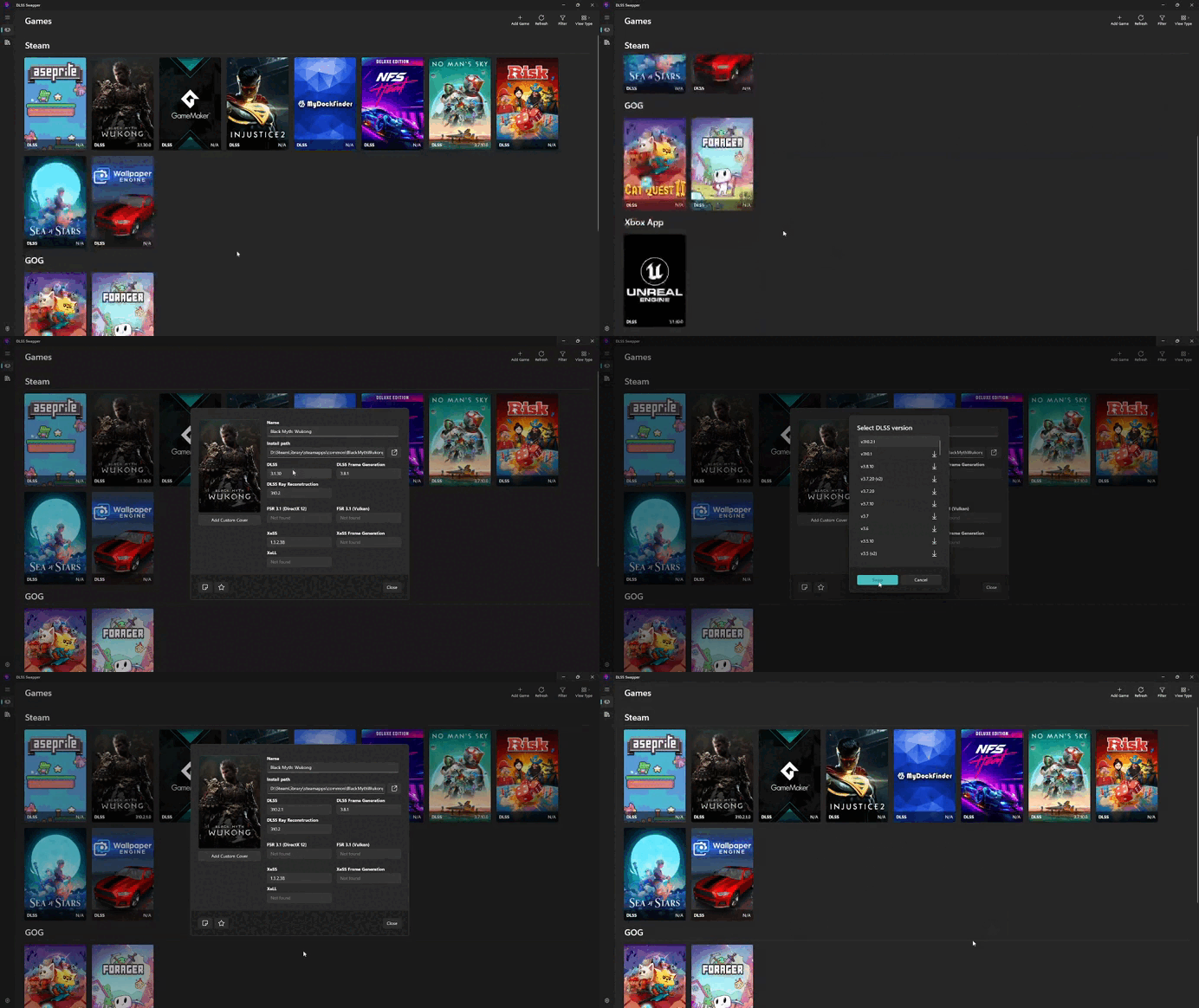
Easily manage and swap NVIDIA DLSS versions for optimal gaming performance
DLSS Swapper is an open-source tool designed to allow users to easily swap between different versions of NVIDIA's Deep Learning Super Sampling (DLSS) technology in games. This tool enables gamers to optimize their gaming experience by upgrading or downgrading the DLSS version used in a game, which can improve performance, image quality, or compatibility.
What sets DLSS Swapper apart is its comprehensive support for multiple upscaling technologies. Beyond NVIDIA DLSS, it also supports AMD FSR 3.1 and Intel XeSS upscaling libraries, making it a versatile tool for managing various upscaling technologies in games.
Switch between different DLSS versions to achieve the best balance of performance and visual fidelity
Automatically detects installed DLSS version in games, no manual file searching needed
Automatic backup system ensures your game files are always protected
Swap DLSS versions with a single click, making experimentation easy
Compare and test different DLSS versions in real-time for optimal performance
Clean and intuitive interface accessible to both beginners and advanced users
Go to DLSS-Swapper.Com and download the latest version. Choose between an installer or portable version.
Run the installer for a full installation, or extract the portable version to any folder of your choice.
Launch the application and it will automatically detect your installed DLSS-enabled games.
Select a game, choose your preferred DLSS version, and click to apply the changes.
Version 46 was quietly rolled into the Windows 11 24H2 preview channel and Windows Server 2025 Cumulative Update 3. According to the release notes (KB5049876—later marked as "covert engineering change"), the major shifts include:
(Safety Instrumented Systems) and a reduction in duplication between Shell-specific standards and international regulations. Accessibility
The phrase "shell dep version 46 hot" likely refers to , which is the specific Design and Engineering Practice (DEP) standard for Thermal Insulation . shell dep version 46 hot
Shell DEPs are proprietary standards used to ensure safety and technical integrity across Shell’s global operations. Version 46 (often associated with the February 2017 or 2019 release cycles) provides the minimum requirements for the design, material selection, and installation of thermal insulation for piping and equipment. 2. Scope of "Hot" Service
A version number like 46 for HotShell is high, implying a long and stable development history. A "hot" version 46 would likely be a significant milestone release, possibly including: Version 46 was quietly rolled into the Windows
Every new DEP version reflects the latest in operational experience, lessons learned, and technological advancements. While the full change log is extensive, here is where the heat is coming from in this release:
. The specific "hot" reference in this context typically pertains to hot service hot-tapping Shell DEPs are proprietary standards used to ensure
: Strict, legally enforceable compliance frameworks tracking how localized alterations impact overall plant architecture.
A quiet but massive fix: v46 introduces . Have you ever had scriptA depend on scriptB , which conditionally sources scriptA again? Shell Dep v46 now detects cycles at parse time and throws a friendly error instead of spawning 4,000 sub-shells.
serve as the backbone of technical integrity, safety, and standardization across global oil, gas, and petrochemical operations. In industrial asset management, staying aligned with the latest framework revisions is crucial for maintaining compliance and mitigating operational risk. Shell DEP Version 46 represents a major modern milestone in this engineering library, particularly regarding its highly discussed, updated standards for high-temperature applications, hot-tapping protocols, and thermal process safeguarding.