Menu
Menu



Top Ranked Fencers
Epee
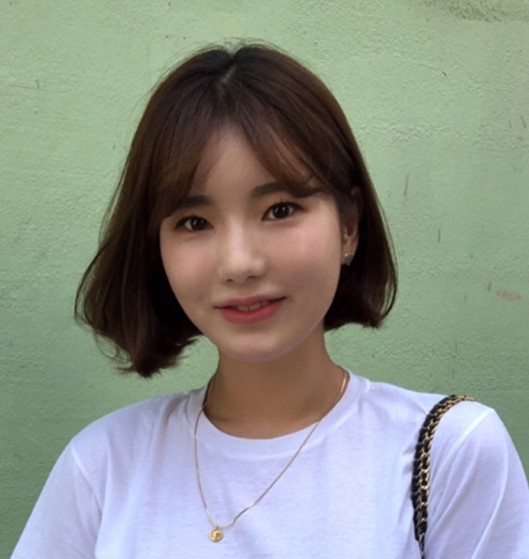 Sera SONG
When and where did you begin this sport?
She began fencing at junior high school in Geumsan County, Republic of Korea.
Why this sport?
Her physical education teacher suggested the sport to her.
Learn more→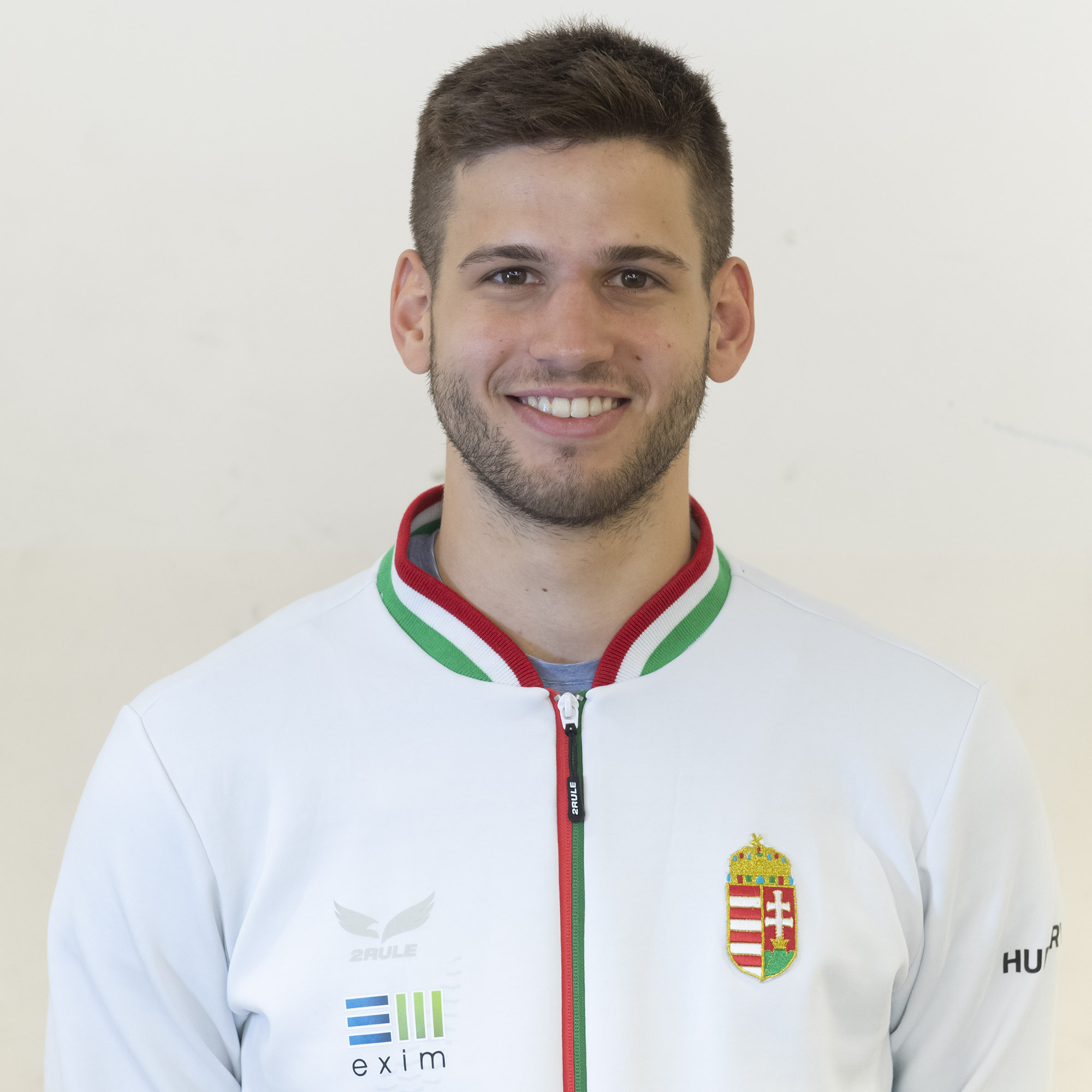 Gergely SIKLOSI
When and where did you begin this sport?
He began fencing at age seven. "I was doing it for fun until around 14 when I beat the Hungarian No. 1 at that time, and realised that this is serious, for real."
Why this sport?
"When I first tried [fencing], I felt like 'this is me'. Fencing is not only about physical or technical capabilities, it's also about mind games. It's not the fastest or the strongest who wins. It's the one who can put the whole cake together."
Learn more→Foil
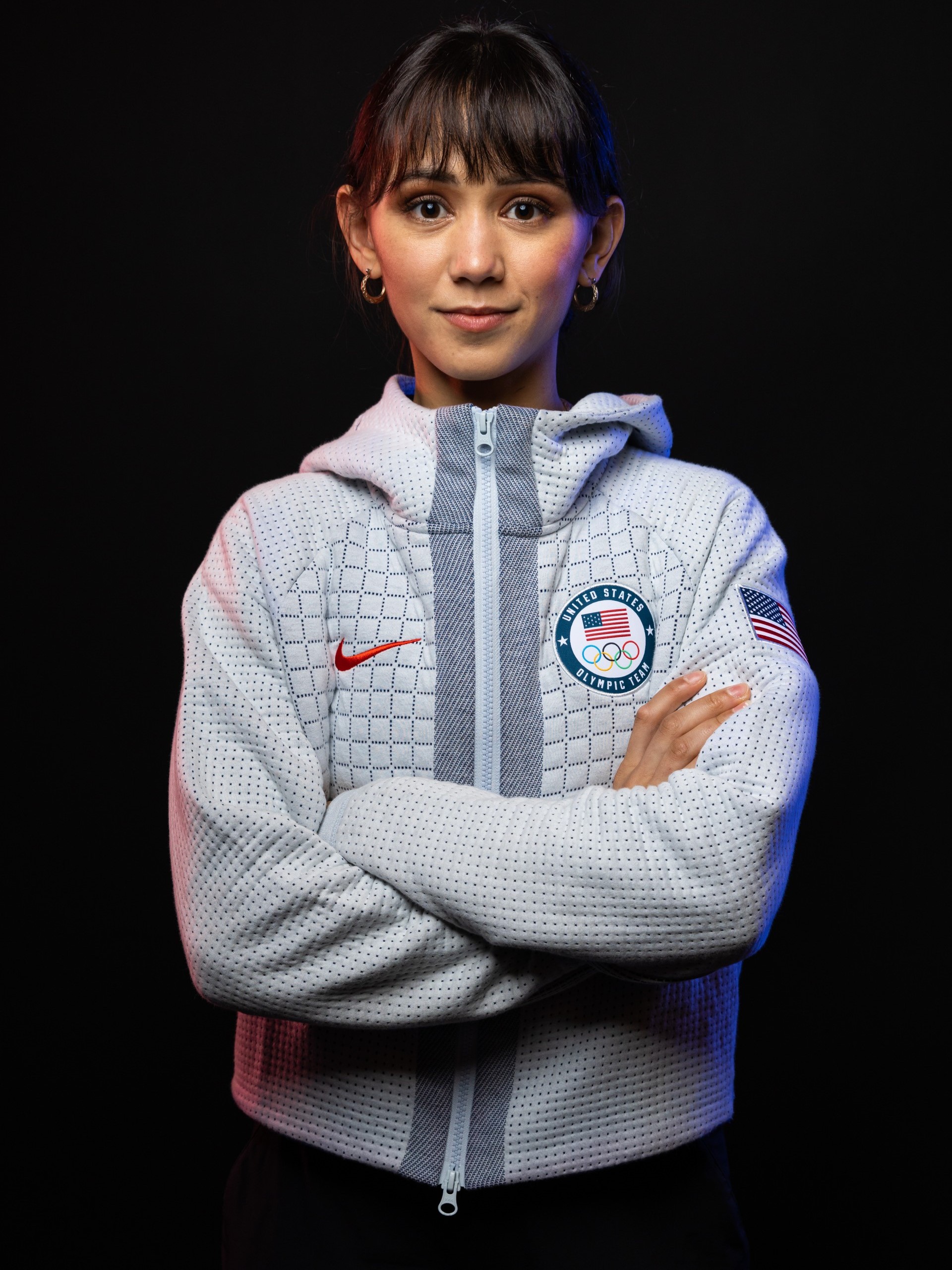 Lee KIEFER
When and where did you begin this sport?
She began fencing at age six after watching her father fence at a local competition. "My siblings and I thought the sport was strange and interesting-appearing, so my dad started teaching us the basics in our empty dining room and taking us to a club twice a week that was 1.5 hours away from where we lived."
Why this sport?
She and her brother and sister followed their father, Steve Kiefer, into the sport. "Growing up my dad decided that he wanted to take up fencing again. He hadn't picked up a foil in 10 or 15 years, and me and my siblings watched him compete at a local tournament. Then he asked if we wanted to try it, and we said yes. Twenty years later I'm still doing it."
Learn more→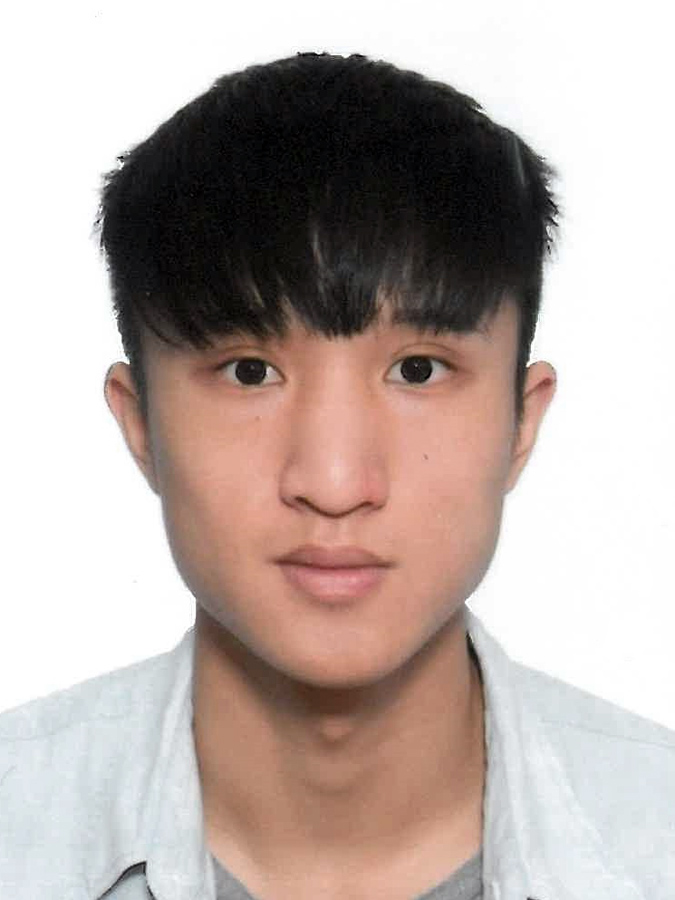 Chun Yin Ryan CHOI
When and where did you begin this sport?
He began fencing in grade four of primary school.
Why this sport?
His mother forced him to go to a fencing lesson. "I didn't really want to go, but my mother made me because it was run by a friend of hers and they wanted more students. But, after the class, I loved it and wanted to continue."
Learn more→Sabre
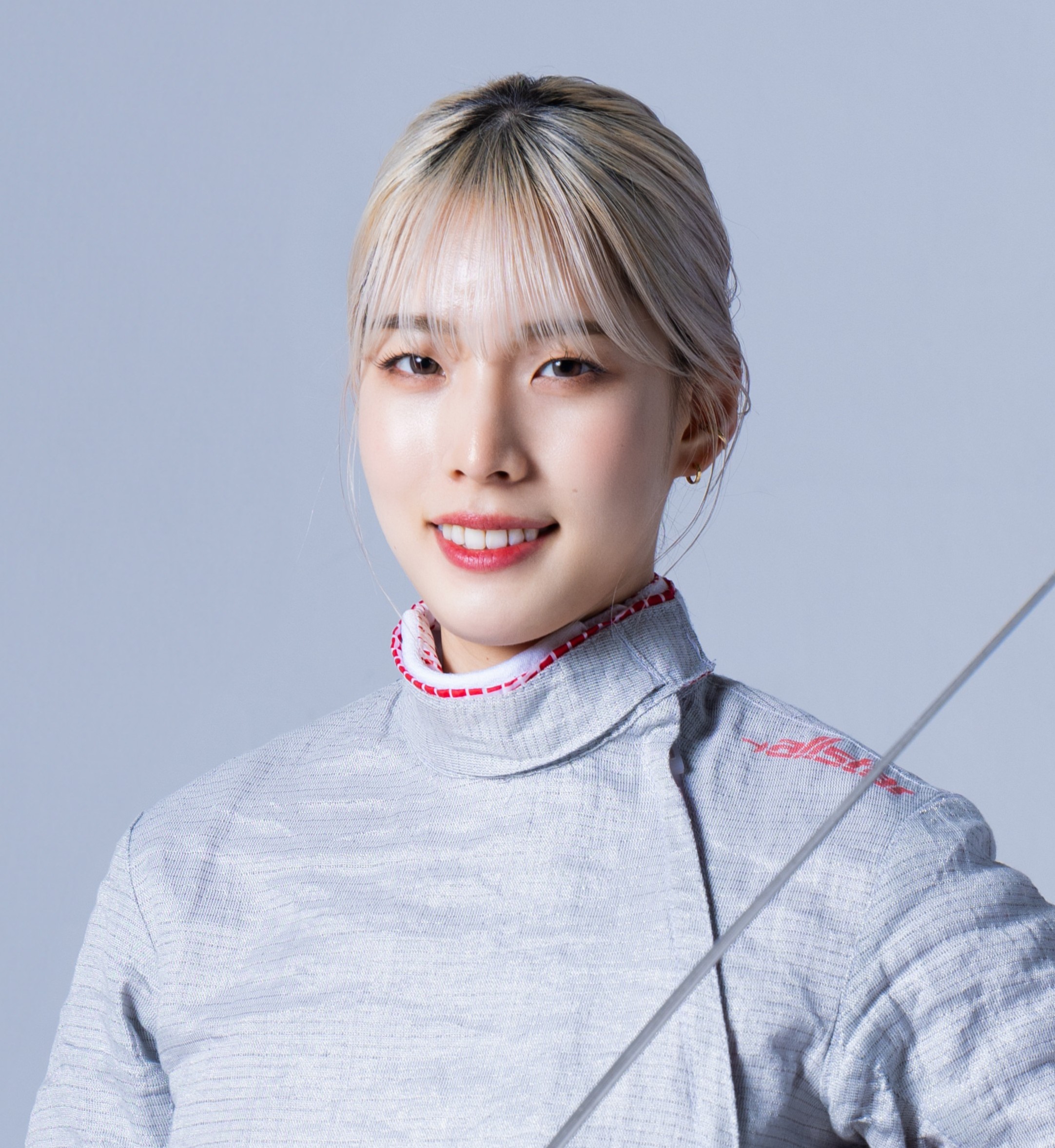 Misaki EMURA
When and where did you begin this sport?
She began fencing at age nine.
Why this sport?
She was encouraged to try the sport by her parents, and went to a fencing class where her father coached. She took up foil in grade three of primary school, but competed in sabre at a competition which had a prize of a jigsaw puzzle. She then switched to sabre before starting middle school.
Learn more→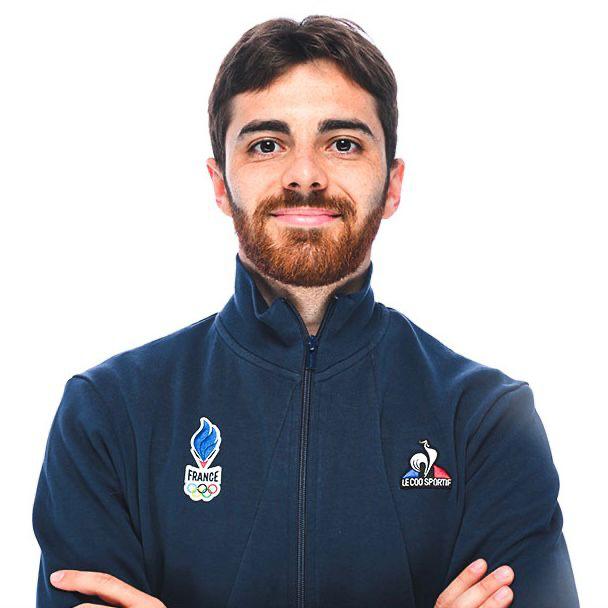 Jean-Philippe PATRICELearn more→
Results & Competitions
Latest Results
| Competition | Date | Weapon | Gender | Cat |
|---|---|---|---|---|
| Padua | 2026-03-08 | sabre | M | |
| Athènes | 2026-03-08 | sabre | F | |
| Cairo | 2026-03-08 | foil | F | |
| Cairo | 2026-03-08 | foil | M | |
| Padua | 2026-03-06 | sabre | M |
Upcoming Competitions
| Competition | Date | Weapon | Gender | Cat |
|---|---|---|---|---|
| Budapest | 2026-03-13 | epee | M | |
| Budapest | 2026-03-13 | epee | F | |
| Lima | 2026-03-20 | foil | M | |
| Lima | 2026-03-21 | foil | F | |
| Astana | 2026-03-26 | epee | M |
A deeper look into the affecting trans rights globally.
As the transgender community gains visibility—through actors like Elliot Page, shows like Pose and Disclosure , and activists like Laverne Cox—the question of its relationship to LGBTQ culture evolves.
A mature analysis of LGBTQ culture must acknowledge its internal conflicts. The relationship between the trans community and the LGB community is not always harmonious. shemale ass shaking
To foster genuine allyship, individuals and organizations must move beyond passive acceptance. This involves actively supporting trans-led organizations, respecting personal pronouns, educating oneself on gender diversity, and advocating for policies that protect the safety, dignity, and healthcare rights of transgender individuals everywhere. By honoring its history and addressing its current challenges, society can move closer to a world where everyone can live authentically.
Support LGBTQ+ organizations, use inclusive language, and stand up against discrimination when you see it. Key Resources for Further Learning Organization HRC Civil Rights & Advocacy Human Rights Campaign The Center Community & Health The Lesbian, Gay, Bisexual & Transgender Community Center UCSF LGBTQ Education & Glossaries UCSF LGBTQ Resource Center TransHub Trans-Specific Support TransHub Defining LGBTQ+ - The Center A deeper look into the affecting trans rights globally
The relationship between the transgender community and LGBTQ+ culture is dynamic and ever-evolving. True solidarity within the culture means recognizing that liberation cannot be achieved for some without achieving it for all.
In this current climate, the role of the trans community is no longer just about visibility or inclusion; it is about survival. And the response from the rest of the LGBTQ community has, for the most part, been one of fierce solidarity. The relationship between the trans community and the
on trans identities outside of Western culture
The relationship between the trans community and the wider LGBTQ rights movement is forged in shared struggle. While transgender people have existed throughout history, with some Native American tribes recognizing “third gender” roles long before Western contact, the modern political movement began to take shape in the mid-20th century. The 1952 launch of Transvestia magazine by Virginia Prince is considered by some historians to mark the beginning of a codified transgender rights movement in the United States.
By understanding and engaging with the transgender community and LGBTQ culture, we can work towards creating a more inclusive, equitable society for all individuals, regardless of their identity or expression.
The Living Intersection: How the Transgender Community Shapes and Relies on LGBTQ+ Culture